Thinking about a home on Signal Mountain but unsure how prices, timing, and competition really work up here? You are not alone. The mountain functions as a true micro‑market with its own rhythms and premiums, so headlines from the broader Chattanooga area often miss the mark. In this guide, you will learn how to read inventory, prices, days on market, and offers in the town of Signal Mountain, plus what those numbers mean for your timing and budget. Let’s dive in.
Why Signal Mountain acts like a micro‑market
Signal Mountain sits on Walden’s Ridge above Chattanooga, and the town’s setting shapes demand and pricing. You get a short commute to downtown paired with a mountain lifestyle, scenic views, and trail access. That combination draws move‑up buyers from nearby suburbs, downsizers who want low‑maintenance living with nature nearby, and some second‑home interest.
Scarcity, lots, and views
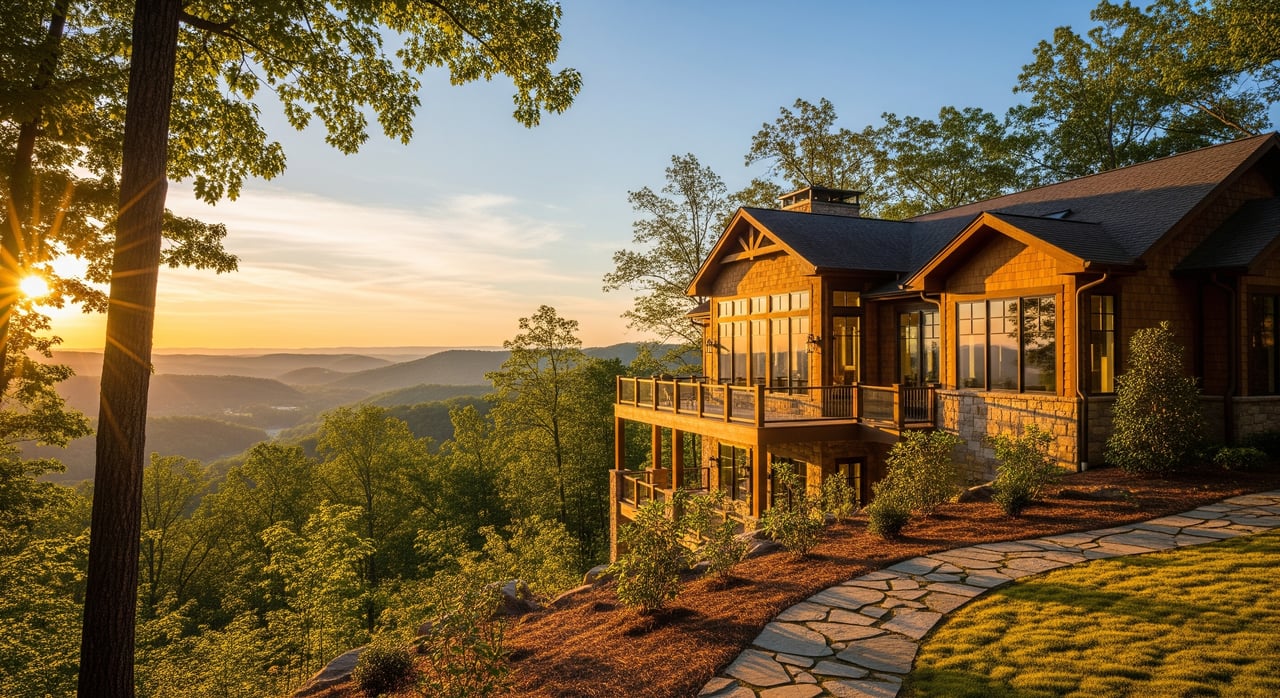
Buildable lots are limited, and many parcels are larger or have slopes that reduce easy new construction. That restricts supply. Homes with unobstructed valley, river, or city views often command noticeable premiums. Orientation matters too. Clear sunset or sunrise views can push demand higher for similar homes on the same street.
Condition and age
You will see a split between updated, move‑in‑ready homes and older properties that need renovation. Turnkey homes tend to sell faster and closer to asking prices. Homes that require upgrades can sit longer unless they are priced with the work in mind.
Schools, services, and utilities
Signal Mountain’s small‑town identity, municipal services, and local school zoning are factors many buyers consider. Sewer access versus septic and available broadband providers can influence value and financing. It helps to confirm the utility profile for any property you are serious about.
Commute, remote work, and recreation
The commute into Chattanooga is shorter than many suburbs, which supports pricing for move‑up buyers who work downtown. Remote workers often prioritize a dedicated office and reliable high‑speed internet. Proximity to parks, trailheads, Signal Point, and access points for the Cumberland Trail increases desirability for outdoor‑minded buyers.
Seasonal patterns
The market can be moderately seasonal. Spring usually brings more listings and showings. Scenic appeal keeps activity rolling through much of the year, yet snow or ice can temporarily slow showings in winter.
The metrics that matter on the mountain
Because Signal Mountain is a small town, a handful of high‑end sales can move the numbers in any given month. Always note the time window and the number of transactions behind each metric. Look at both the short‑term momentum and the longer‑term baseline before you set your strategy.
Inventory and months of inventory
Inventory is simply the count of active listings within the town limits at a point in time. Months of inventory, or MOI, is active listings divided by the average monthly closed sales. As a rule of thumb, less than 4 months suggests a seller’s market, 4 to 6 months looks balanced, and more than 6 months tilts toward a buyer’s market. On the mountain, MOI can swing by price tier and by property type, especially when a few listings enter or leave the market quickly.
Median price and price per square foot
Median sale price tells you the middle of the market over a time window. It is best to pair it with the number of sales so you do not overreact to a few outliers. Average price per square foot is helpful when comparing similar homes, but in mountain markets it must be adjusted for lot characteristics, view premiums, and topography. A flat, usable yard or a panoramic view can justify higher prices per square foot even when interior finishes are comparable.
Days on market
Median days on market shows how quickly homes go under contract. Shorter times suggest stronger demand or sharp pricing. On Signal Mountain, updated, move‑in‑ready homes in convenient locations typically move first. Homes that require structural or systems updates, or that have steep driveways, can take longer unless priced to account for those factors.
Sale‑to‑list price ratio
The sale‑to‑list price ratio compares the final sale price to the final list price. When the ratio trends near or above 100 percent, it signals limited negotiation room and potential for multiple offers. Above‑list outcomes are most common for properties with special features, like unobstructed ridge‑top views or modern renovations with outdoor living upgrades.
New listings and the pending ratio
New listings show how much fresh supply is coming to market. The pending ratio compares under‑contract homes to actives to highlight near‑term demand. A rising pending‑to‑active ratio signals that buyers are absorbing inventory quickly. Watch this number in spring and early summer when momentum often shifts.
Transaction counts by price band
Breaking sales into tiers, such as under $500K, $500K to $900K, and above $900K, helps you see where buyers and inventory cluster. On Signal Mountain, limited new construction means resale supply dominates, so each tier behaves a bit differently. Premium view or acreage properties concentrate at the higher end and can skew median prices when they close in groups.
Financing mix and cash
The mix of cash versus financed transactions affects negotiation and appraisal risk. Cash and strong conventional financing tend to close faster and can be decisive in multiple‑offer scenarios. If you are financing, good preparation and documentation put you on more equal footing with cash buyers.
How to read the market by price tier
Every tier moves at its own speed. Here is how to think about it when you plan your search or sale.
Entry and mid tier
You will find more buyers in the entry and mid ranges given the mountain’s appeal and commute advantage. Turnkey homes near parks or conveniences often draw quick interest. Renovation‑needed homes can provide opportunity if you price updates correctly and have a solid plan for improvements.
Upper tier and view properties
Ridge‑top, panoramic views, custom finishes, and larger lots lift prices and narrow the buyer pool. These homes can still move fast if they are well presented and priced to the most recent comps. In smaller samples, one or two high‑end sales can shift the month’s numbers, so it is smart to look at a 90‑ to 365‑day window.
New construction and custom builds
Lot scarcity keeps new construction limited. When custom homes do hit the market, they often sit at the top tier and can reset neighborhood benchmarks. Expect longer marketing timelines for one‑of‑a‑kind builds unless they pair modern design with views and outdoor living features that many buyers are seeking.
Offer strategies that win in Signal Mountain
In active segments, offers closer to list price are common, and above‑list bids can surface for standout homes. Your offer terms can matter as much as your price.
Move‑up buyer playbook
If you need to sell to buy, think through timing early. Listing your current home before or at the same time you write an offer makes your position stronger. Bridge financing or a sale contingency with clear proof of funds can help you compete while reducing risk. Weigh the total cost to renovate a value opportunity against paying a premium for a turnkey property.
Downsizer playbook
Flexibility is a valuable negotiation tool. Offering a rent‑back period can help a seller align their own move. Focus your search on single‑level living or floor plans with a primary suite on the main level. Homes that check those boxes often see faster demand among downsizers.
Appraisals and contingencies
When multiple offers push contract prices, appraisal gaps can appear. If you plan to address a gap, set a clear cap and ensure your lender documents your capacity. Shorter inspection and financing contingency windows, plus larger earnest money, can improve your odds without overreaching on price.
Inspections unique to mountain homes
Mountain properties deserve extra attention during due diligence. Consider drainage and erosion, retaining walls, slope stability, and the condition of drives on steeper sites. For ridge‑top or steep lots, specialist inspections for geotechnical or drainage needs can help you avoid surprises.
Cash, quick close, and off‑market access
Cash and fast close timelines can be decisive when inventory is tight. Off‑market opportunities sometimes surface at the higher end. A connected local agent can help you learn about these while keeping your expectations realistic.
Timing your move with seasonality
Spring tends to bring more new listings and buyer traffic, which increases your choices but can also raise competition. Summer stays active, and fall can offer a window of motivated sellers and focused buyers. Winter can be quieter, with occasional weather interruptions that slow showings. The right time for you blends market conditions with your personal timeline, financing, and whether you must sell first.
Quick due diligence checklist for mountain homes
Use this checklist to frame your search, inspections, and negotiations:
- Verify utilities. Confirm sewer or septic, water source, and available broadband providers.
- Review driveway and road access. Note steepness, surface condition, and who maintains private roads.
- Assess drainage and erosion control. Check grading, gutters, swales, and retaining walls.
- Evaluate tree risk. Look for large trees near structures and ask about any removal permits.
- Inspect foundation and slope stability. Watch for cracks, movement, or past repairs on steep lots.
- Price insurance early. Understand premiums and coverage for wind, hail, and liability.
- Budget for preservation and renovation. Factor in likely updates for older homes.
How to interpret shifting numbers with confidence
Always label the data window and the source when you review market updates or comps. A 30‑day snapshot is useful for momentum, while a 90‑ to 365‑day view smooths out noise from small samples. Compare this month to the same month last year and to multi‑year averages to spot real trend lines. Pair the stats with property‑level context like views, lot usability, condition, and location near trailheads or conveniences.
How The Tiano Group helps you move on the mountain
You deserve local guidance that blends data with on‑the‑ground experience. Our family‑driven team lives and works in the Chattanooga area and advises clients across Tennessee, Georgia, and Alabama. We combine neighborhood‑level insight with modern marketing and a boutique client experience backed by a trusted local brokerage. Whether you are moving up, downsizing, relocating, or exploring acreage, you get patient guidance, transparent communication, and MLS‑backed strategy from start to finish.
Ready to talk through your timing, budget, and plan on Signal Mountain? Schedule a Meeting with The Tiano Group to get a clear read on the market and a step‑by‑step path to your next home.
FAQs
What makes Signal Mountain’s housing market different?
- Limited buildable lots, view premiums, older‑versus‑updated inventory, and outdoor amenities create a distinct micro‑market that often moves differently than the broader Chattanooga area.
How should I read months of inventory on Signal Mountain?
- Less than 4 months usually favors sellers, 4 to 6 months is balanced, and more than 6 months can favor buyers, but always check the price tier and recent sales count.
Do homes with views always sell over list price?
- Not always, but view and ridge‑top properties can draw stronger competition; final outcomes depend on pricing, condition, and how many similar homes are available.
What inspections are most important for mountain properties?
- In addition to standard inspections, focus on drainage and erosion, retaining walls, driveway safety, tree risk, septic or sewer, and consider geotechnical opinions for steep lots.
How can I compete if I need to sell my current home first?
- List early or concurrently, use strong proof of funds, explore bridge financing, and consider flexible terms like rent‑backs to strengthen your offer without overpaying.
When is the best time of year to buy or sell on Signal Mountain?
- Spring is the most active for new listings and buyers, summer remains steady, fall can be strategic for motivated parties, and winter is quieter with occasional weather‑related slowdowns.