Wondering what the daily drive off Signal Mountain really looks like? If you love mountain living but work in Chattanooga, you want honest timing and simple strategies that keep your day on track. You’ll find realistic drive times, how weather and events shift your schedule, and practical tips to test routes before you buy. Let’s dive in.
Signal Mountain drive times at a glance
- Downtown Chattanooga: off-peak about 15–25 minutes; typical rush hour about 25–40 minutes. On rough days, some trips reach 40–45 minutes.
- Enterprise South/Volkswagen area: often 25–45 minutes, depending on route and traffic.
- Major suburban job areas (Hixson, Hamilton Place, Red Bank, East Ridge): expect 20–35 minutes in typical conditions, longer during peaks or incidents.
- Important note: Signal Mountain’s elevation and a small number of descent roads mean there are fewer true detours. When a primary approach slows due to construction, weather, or a crash, delays can stack quickly.
Main ways off the mountain
Primary downtown descent
If you work Downtown or near the medical and university districts, this is usually the most direct option. Morning traffic flows downhill toward city arterials, with evening traffic reversing back up. Because many commuters choose this path, it handles the largest volume and is most sensitive to incidents or lane reductions near river crossings and central interchanges.
Western and northwest connectors
These descents are useful if you’re headed toward the northwest side of Chattanooga, Hixson, or to reach major interstates. They can help you bypass the core Downtown approaches, but they still merge into busy corridors near bridges or interstate ramps. Keep a second option in mind if a crash blocks a key merge.
South and southeast connectors
If your destination is the Enterprise South industrial area or the I-24/I-75 corridor, you’ll likely choose a connector that swings you toward the southeast. Travel time grows with distance and the number of merges, so plan a buffer at shift-change hours.
Local plateau collectors
Neighborhood roads funnel you to the main descents. These streets can add a few minutes during school pickup and drop-off times. Give yourself a small cushion on weekday mornings and early afternoons.
Weekday traffic patterns
- Morning peak (about 6:30–9:00 AM): heavier inbound flow toward Downtown, hospitals, and university areas. Expect queues near descent approaches and city ramps.
- Midday (about 9:30 AM–3:30 PM): generally lighter, with brief slowdowns around lunch or school dismissal.
- Evening peak (about 3:30–6:30 PM): heavier outbound toward the mountain. Weekend afternoons and evenings can back up when large downtown events end.
- Recurring pressure points: river crossings, major arterial intersections, and interstate merges around the city. Any construction or lane reduction here amplifies delays.
Weather and season effects
Winter conditions
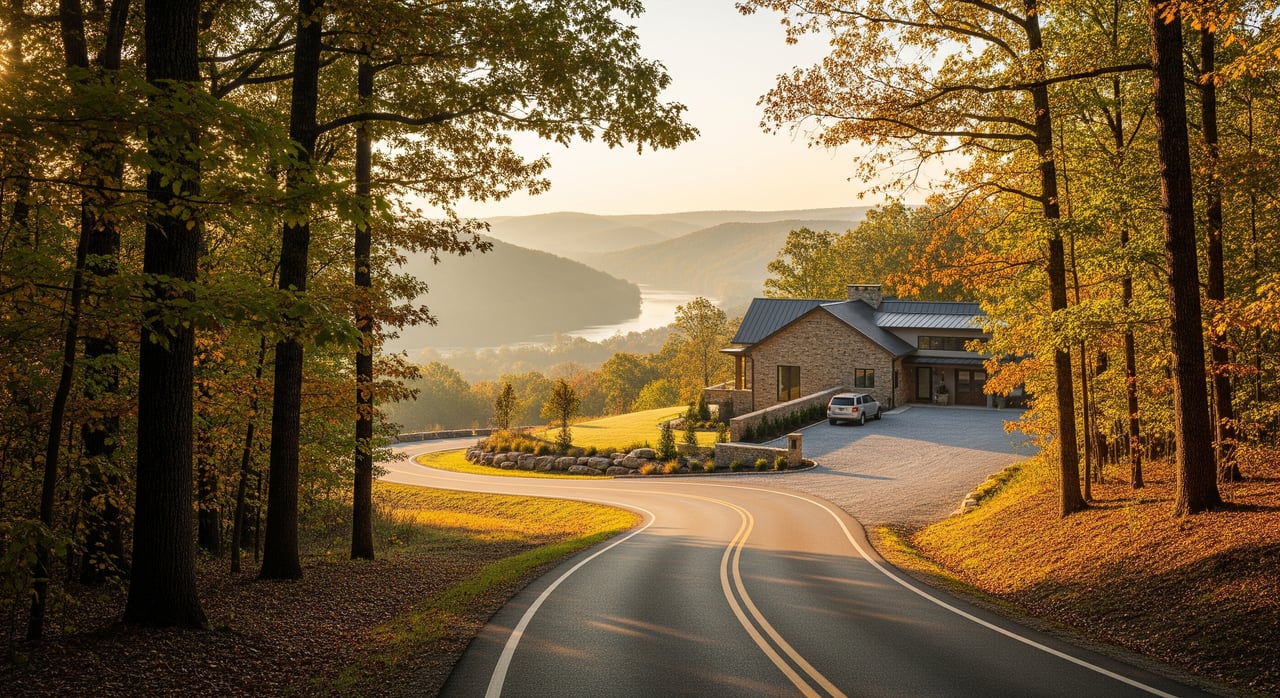
Signal Mountain sits higher than the valley, so freezing rain, sleet, or snow can arrive earlier and stick longer. Ice and black ice are the main hazards on steep grades and curves. When winter operations are active, speeds drop and occasional temporary closures are possible until treatment is complete.
Heavy rain and fog
Summer downpours can reduce visibility and traction, and low-lying valley segments sometimes see ponding after you descend. Fog can settle along certain grades or in the valley during temperature shifts. Plan extra time and keep a steady, cautious pace in low visibility.
Why incidents add time
With a limited number of descent corridors and downstream arteries, a single crash or disabled vehicle near a bridge or interchange can add 10–30 minutes. This sensitivity is different from flat suburbs with many parallel routes.
Events and construction
Downtown festivals, concerts, sporting events, and riverfront gatherings share the same corridors you use. When they let out, traffic can surge right when you are heading home. University schedules and hospital shift changes also add predictable peaks.
Construction seasons bring lane shifts or daytime closures on city approaches and interstate merges. Check planned work if you rely on one primary corridor.
Commute alternatives
Public transit basics
CARTA provides fixed-route bus service in the Chattanooga area, but direct service to Signal Mountain is limited compared with core city neighborhoods. If you want to use transit, verify current routes, schedules, and any park-and-ride options before you commit to a routine.
Park-and-ride and carpools
Some commuters drive down from the mountain, then use park-and-ride, carpool, or employer shuttles to cut parking costs and to avoid the last mile of downtown congestion. Availability varies by employer and location, so ask your workplace about commuter programs.
Active transport reality
Given the distance, elevation change, and lack of continuous protected cycling infrastructure on descent routes, daily biking or walking to Downtown is generally impractical. Many residents keep cycling for recreation on the plateau instead.
Smart planning tips for buyers
- Test the commute on multiple days. Drive once during the morning peak and once during the evening peak. If possible, add a rainy or winter test.
- Track your timing. Check several runs to see how incidents, construction, or events shift your drive.
- Build a buffer. For Downtown, add 10–20 minutes to off-peak estimates on normal days, and more during winter or construction.
- Consider flexible hours. Shifting your start or end by 30–60 minutes can avoid the heaviest congestion.
- Prep your vehicle for winter. Use quality all-season or winter-rated tires and keep an emergency kit. Descend slowly on icy days and expect selective closures until treatment is complete.
- Know at least two routes. Use real-time tools to confirm conditions and switch descents if needed.
- Account for parking. Add time for garage access, payment, and the walk to your building if you don’t have dedicated parking.
- Ask about employer programs. Some large sites offer carpools or shuttles that can simplify the last mile.
Is Signal Mountain commute right for you?
If you value peaceful mountain living with quick access to Chattanooga, the commute can be very workable with a little planning. Most days, you can reach Downtown in 25–40 minutes at peak, and off-peak trips are often closer to 15–25 minutes. The key is testing your specific route and building a smart buffer for weather or incidents.
Want neighborhood guidance, commute planning ideas, and a smooth purchase process? Connect with the local team that knows these roads and routines well. Schedule a Meeting with The Tiano Group to map your best options.
FAQs
How long is the rush-hour drive to Downtown from Signal Mountain?
- Typical weekday peak is about 25–40 minutes, with off-peak around 15–25 minutes. On tougher days, it can reach 40–45 minutes.
What worst-case delays should I expect when an incident occurs?
- A single crash or lane closure near river crossings or interstate interchanges can add roughly 10–30 minutes due to limited alternate routes.
Which general route type is best for Enterprise South commutes?
- South and southeast connectors are commonly used to reach the industrial corridor, with many trips falling in the 25–45 minute range depending on traffic.
How does winter weather affect Signal Mountain descents?
- Freezing rain, sleet, and black ice can arrive earlier and linger longer than in the valley, leading to slower speeds and occasional temporary closures until treatment.
Are there reliable transit or carpool options from Signal Mountain?
- Direct transit is limited; some commuters combine a short drive with park-and-ride, carpools, or employer shuttles. Check current options with CARTA and your employer.
What parking factors should I plan for Downtown?
- Add time and cost for garage access or street parking, plus the walk to your building. Employer-provided parking can reduce both time and expense.