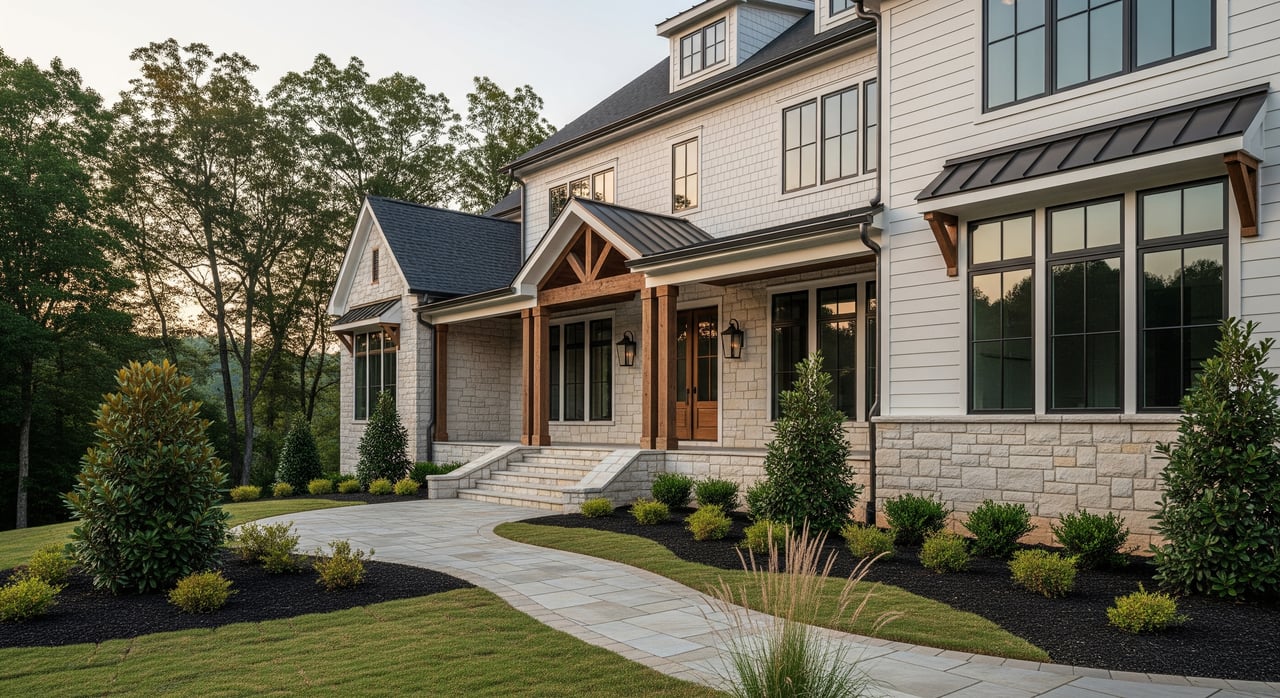
Thinking about building a home in Ooltewah but not sure where to start? You are not alone. New construction can feel complex, especially when permits, septic, utilities, and builder contracts come into play. This guide walks you through every step, what to expect in Hamilton County, how to budget, and where an agent protects your time and money. Let’s dive in.
Ooltewah new‑build basics
Ooltewah sits within Hamilton County and the greater Chattanooga market. Depending on the exact lot, your permits and inspections may be handled by Hamilton County or a nearby municipality. Utilities can vary by street and subdivision, and some rural lots rely on septic systems. Because of these local differences, lot‑specific checks early in the process are essential.
Key local items to confirm:
- Which authority issues the building permit for your lot.
- Utility availability and connection fees for electric, fiber, water, sewer or septic, and gas.
- Soil and percolation results if septic is needed.
- HOA covenants, design rules, and fees where applicable.
- Property tax estimates from county offices.
Step 1: Lot due diligence
Start with zoning, setbacks, easements, floodplain status, soil and percolation tests if septic is likely, and utility availability. If no survey is provided, order a boundary or ALTA survey. If you are considering a rural or sloped lot, plan for potential site costs like grading, tree removal, or rock excavation.
A buyer’s agent can help coordinate utility confirmations, connect you with surveyors and soil professionals, and flag HOA rules that affect your design or timeline.
Step 2: Choose a builder and contract
You can buy a lot and hire a custom or semi‑custom builder, or select a builder’s package that includes the lot and plan. Review the builder’s license and reputation, confirm warranty participation, and request recent local references. Then review the contract for allowances, change‑order rules, completion milestones, inspection rights, and warranty details.
Ask for a clear allowance schedule before you sign. Knowing what is included for cabinets, countertops, lighting, and appliances helps you plan upgrades and avoid surprises.
Step 3: Set up financing
If you use a construction loan, your lender will set draw stages and inspections. Production builders sometimes offer in‑house or partner financing with incentives. Compare total costs, rates, and how the loan converts to your permanent mortgage.
Your agent can connect you with lenders who routinely handle construction‑to‑permanent loans and help you compare options.
Step 4: Plans, permits, approvals
Your builder or design professional prepares plans, then submits to the correct authority for review and permits. If your neighborhood has an HOA, you will need architectural approval before you start. For septic systems, follow state environmental standards and inspections.
Permits, reviews, and HOA approvals can affect your start date. Build a little buffer into your schedule.
Step 5: Site work and foundation
This stage includes clearing, grading, utility stubs, and the foundation. If you are installing septic, some work happens here. Site conditions like rock or poor soils can drive cost and time. Good due diligence reduces surprises, but a contingency in your budget is smart.
Step 6: Framing and rough‑ins
The home takes shape with framing, followed by rough plumbing, electrical, and HVAC. Expect required inspections at framing and other stages. Independent third‑party inspections are also wise to catch workmanship issues early.
Step 7: Insulation and drywall
After rough inspections, the builder installs insulation and closes the walls. This is a natural checkpoint for a pre‑drywall inspection if you did not schedule one earlier.
Step 8: Interior finishes
Trim, cabinets, countertops, tile, and flooring go in. Systems are commissioned and the home is prepared for final inspections. This phase often triggers change‑order temptations. Keep your allowance list handy and pre‑decide where upgrades matter most.
Step 9: Final inspections and walk‑through
Local inspectors verify code compliance. After passing all inspections, you receive a Certificate of Occupancy. Complete a detailed punch list with your builder and consider an independent final inspection to document items before closing.
Step 10: Closing and move‑in
If you used a construction loan, it converts to permanent financing at this stage. You receive keys and warranty information and plan your move‑in.
Timeline to expect
Timelines vary by build type and lot conditions:
- Lot purchase and due diligence: 2 to 8 weeks.
- Production or spec home: about 4 to 6 months from permit to Certificate of Occupancy if there are no major site issues.
- Semi‑custom or custom on your lot: about 6 to 12 months or more depending on complexity and review times.
Common delays include weather, supply chain gaps, subcontractor scheduling, unexpected site conditions, permit backlogs, and change orders. A clear contract and realistic buffers help keep stress down.
Budget and allowances
New construction includes cost items that differ from resale. Plan for lot price, site work, foundation and potential rock removal, utility hook‑ups and impact fees, permits and inspections, builder allowances and upgrades, surveys and design fees for custom builds, construction loan interest, and insurance.
Budget tips:
- Separate lot and home costs. In some cases the lot can be 10 to 30 percent or more of the total.
- Keep a contingency of 5 to 10 percent for finish selections and unknown site conditions. Consider a higher buffer for custom builds or brand‑new subdivisions.
- Clarify what landscaping and exterior hardscaping are included. These are often additional.
Allowances and upgrades:
- Ask for line‑item allowances for cabinetry, countertops, appliances, lighting, and flooring.
- Request typical upgrade costs before you sign so you can prioritize and control overruns.
Warranties to expect
Most builders offer a warranty structure that follows industry norms:
- One year limited coverage for workmanship and materials.
- Two years for major mechanical systems such as electrical, plumbing, and HVAC.
- Ten years for structural coverage, often through a third‑party provider.
Warranty details vary by builder and program. Confirm what is covered, what is considered routine maintenance, and how to submit claims within the agreed timeframes.
New build vs. resale in Ooltewah
Benefits of new construction include modern systems, energy efficiency, customization options, and code‑compliant safety. You also get a warranty and brand‑new finishes. Tradeoffs include a longer timeline, potential cost increases from change orders, and early neighborhood stages where landscaping and amenities may still evolve.
Resale offers faster move‑in, established landscaping, and clear comparable sales. Tradeoffs can include aging systems and limited warranty coverage unless you purchase a separate plan. In Ooltewah, demand often tracks with access to Chattanooga corridors, neighborhood amenities, HOA standards, and local growth trends. School attendance zones are an important consideration; verify the current boundaries before you buy.
Where your agent adds value
A local buyer’s agent helps you protect your budget and timeline at every step:
- Vet builders for licensing, references, warranty participation, and complaint history.
- Clarify contract terms for allowances, change orders, completion dates, and remedies.
- Verify zoning, easements, setbacks, HOA rules, and future development plans.
- Coordinate independent inspections and help interpret results.
- Connect you with construction‑savvy lenders and track draw inspections.
- Manage walk‑through and punch list and guide warranty requests after closing.
- Provide neighborhood and resale context for your exact Ooltewah submarket.
Quick checklist for Ooltewah builds
- Confirm which authority issues your permit and expected timelines.
- Get utility availability and hook‑up fees in writing for electric, fiber, water, sewer or septic, and gas.
- Order a survey and confirm setbacks, easements, and floodplain status.
- If needed, complete soils and percolation testing before you buy the lot.
- Secure a builder contract with line‑item allowances and a clear change‑order process.
- Verify warranty coverage periods, exclusions, and claim procedures in writing.
- Schedule independent inspections at pre‑drywall and final stages.
- Check recent local projects and speak with past clients.
- Review HOA covenants, architectural rules, and fee schedules.
- Budget for landscaping and exterior items beyond the base price.
- Clarify who manages punch‑list and warranty follow‑up after closing.
Your next step
If you want a clear path from lot to move‑in, we are here to help you plan, vet builders, and keep your project on track. Connect with our local team to map your timeline, budget, and due diligence for your Ooltewah build. Schedule a Meeting with The Tiano Group.
FAQs
How long does new construction take in Ooltewah?
- Production homes often take about 4 to 6 months from permit to completion, while semi‑custom or custom builds commonly run 6 to 12 months or more depending on complexity and reviews.
What inspections do I need for a new build?
- Plan for required local inspections at foundation, framing, insulation, and final, and add independent third‑party inspections at pre‑drywall and final for workmanship review.
How do allowances work with builders?
- The builder sets dollar allowances for finishes like cabinets and lighting, and you pay the difference if your selections exceed the allowance based on a clear change‑order process.
What should I budget beyond the base home price?
- Include site work, utility connections, permits, surveys, lender costs, insurance, and a 5 to 10 percent contingency, plus landscaping or hardscaping that may not be included.
Do I still need an agent for new construction?
- Yes, an experienced local agent helps with builder vetting, contract terms, inspections, financing coordination, HOA reviews, and punch‑list and warranty follow‑through.
How are septic systems handled on rural Ooltewah lots?
- Many rural lots rely on septic and require soils and percolation tests before permits, followed by separate inspections during construction.