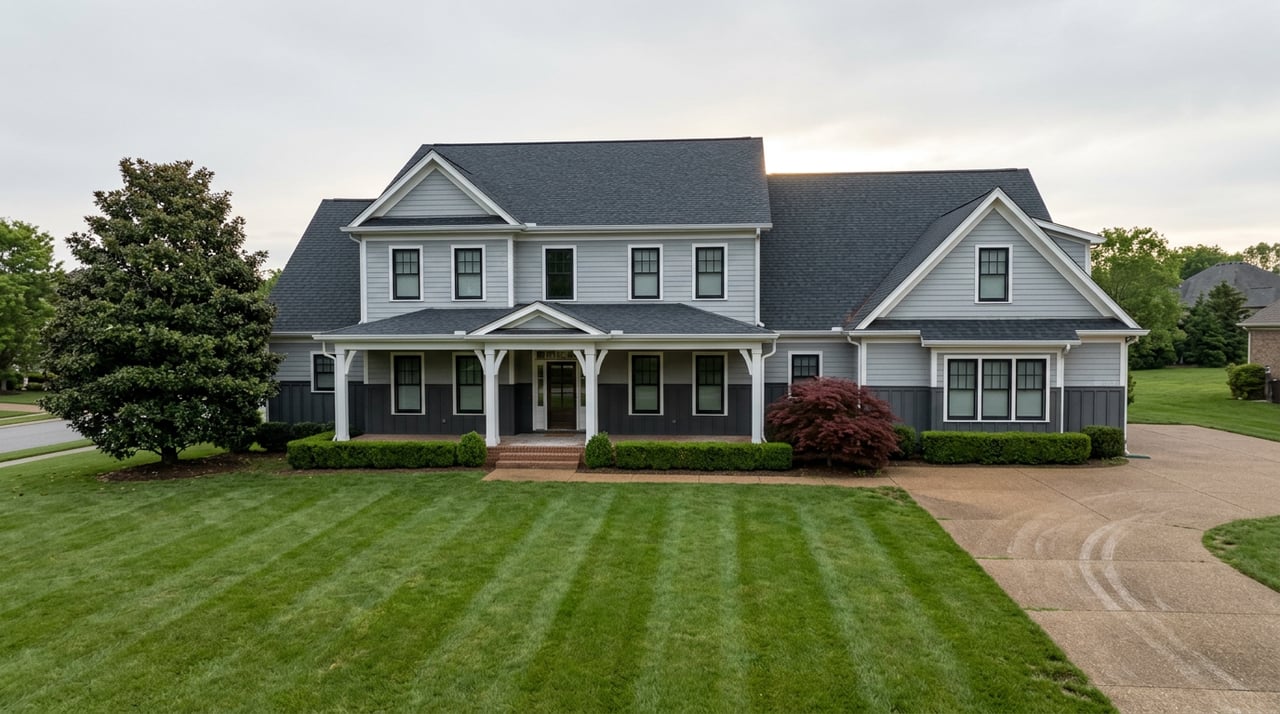
Selling on Lookout Mountain is different from selling in a typical neighborhood. Buyers here often notice the setting first, then the house, and that means your prep work needs to go beyond fresh paint and tidying up. If you want a smoother sale and a stronger first impression, it helps to prepare your home as a view-driven, terrain-sensitive property from day one. Let’s dive in.
Why Lookout Mountain prep matters
Lookout Mountain stands out for its scenic setting and historic character. The ridge is known for its views, and the town itself is closely tied to that mountain backdrop. For many buyers, your porches, terraces, lot condition, and outlook can shape their opinion just as quickly as your kitchen or primary suite.
That matters even more in a market with limited inventory. Greater Chattanooga REALTORS® reported just 1.7 months of supply in March 2026 for Lookout Mountain, along with a median sales price of $975,128 and 96.9% of original price received. Because the sample size is small, broad market averages can swing quickly, so your specific presentation and pricing strategy carry real weight.
Start with exterior presentation
On Lookout Mountain, curb appeal is not only about looks. It is also about showing buyers that the home has been cared for in a setting where weather, slope, and vegetation can affect long-term condition. A polished exterior helps buyers feel confident before they ever step inside.
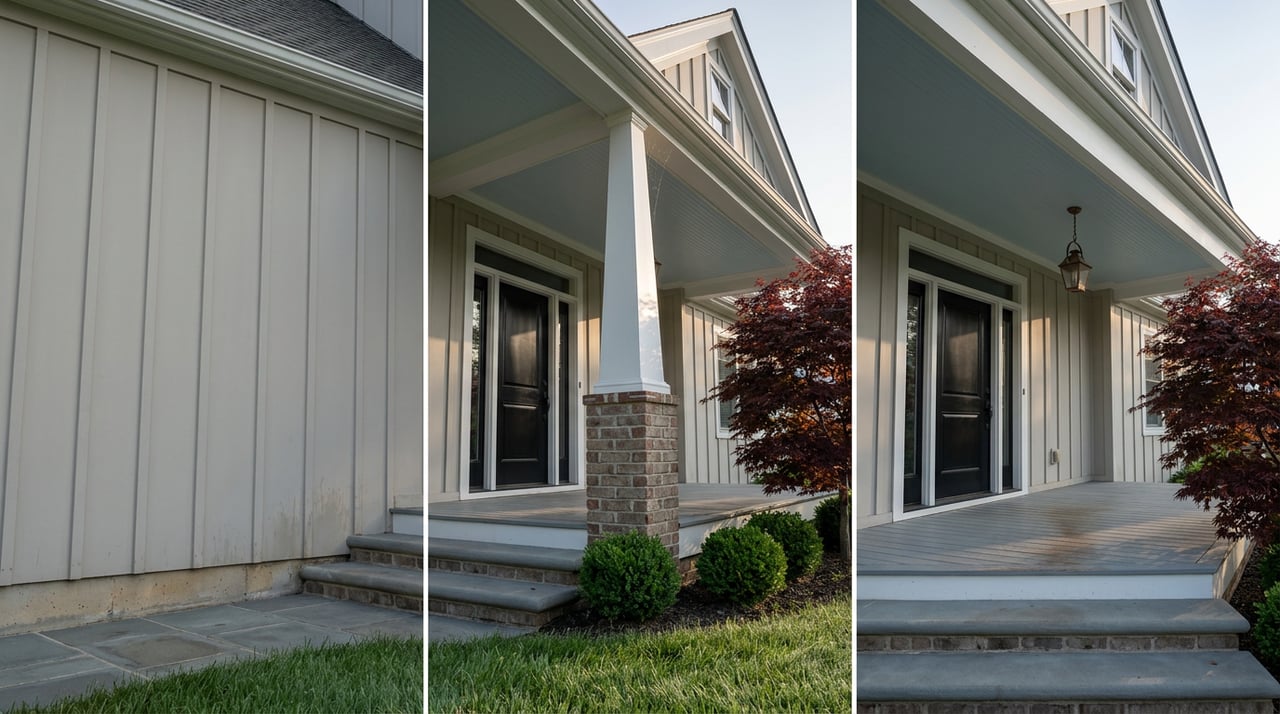
Begin with basic maintenance that buyers can easily see. Trim dead shrubs, cut back branches that hang over the roof, and clean gutters and downspouts. Repair worn siding, failing caulk, chipped trim, and peeling paint so the home feels well-kept and ready for market.
Outdoor living spaces deserve extra attention here. If you have a porch, terrace, deck, or seating area, make it easy for buyers to picture themselves enjoying the mountain setting. Clean surfaces, check for wood rot, and simplify furniture layouts so the space feels open and intentional.
Outdoor areas to review
- Front entry and walkway condition
- Porch and deck surfaces
- Railings, fences, and gates
- Exterior trim, siding, and paint
- Gutters and downspouts
- Roofline areas with overhanging limbs
- Patio or terrace seating areas
- Landscaping that may block views or feel overgrown
Pay close attention to drainage
On a hillside lot, drainage can influence both appearance and value. Water that does not move away from the house can raise concerns during showings and inspections, especially if buyers notice erosion, damp areas, or staining.
Before listing, make sure roof runoff drains away from the foundation. Clear gutters and downspouts, look for signs of standing water, and check masonry foundation walls for visible cracks. If your property includes retaining walls, inspect their condition as well.
This step is especially important on sloped or wooded lots. Buyers may expect mountain properties to require more maintenance, so visible drainage issues can feel bigger than they would on a flatter lot. Addressing them early can help you avoid tougher conversations later.
Common mountain-lot warning signs
- Water pooling near the foundation
- Soil erosion on slopes
- Moisture stains on lower walls
- Overflowing or clogged gutters
- Leaning or worn retaining walls
- Wood decay near exterior structural elements
Organize permits and repair records early
One of the easiest ways to build buyer confidence is to have your paperwork ready. Tennessee’s Residential Property Disclosure Act requires most sellers to provide a disclosure statement, and the Tennessee Department of Health notes that sellers should disclose known defects or malfunctions, environmental hazards, flood or drainage issues, encroachments, and remodeling work completed without permits or code compliance.
That means now is the time to gather records for repairs, updates, and additions. If you have made visible changes such as a deck, fence, addition, or major structural repair, it helps to have permit history and related documents organized before the listing goes live.
Lookout Mountain’s municipal code includes building, planning and zoning, and land-use control titles, and Hamilton County’s building office says a permit is required for any new, alteration, addition, or repair to a structure. Even when a project seems straightforward, buyers may ask questions if the change is obvious. Clear records can make those conversations much easier.
Handle site work before listing
If you are planning grading, landscaping changes, retaining-wall work, or other earthwork, it is smart to address that well before your target list date. Last-minute site work can create stress, delay photography, or leave buyers wondering whether an issue is still being corrected.
Hamilton County’s Water Quality program says land-disturbing activity must avoid erosion and sediment loss. It also notes that activity greater than 1 acre, or less than 1 acre if it is part of a larger common plan, requires a permit. If your prep plan includes ground disturbance, early coordination matters.
In practical terms, this means you should avoid treating slope or drainage work like cosmetic staging. On Lookout Mountain, site condition is part of the home’s story. The cleaner and more documented that story is, the stronger your listing launch will be.
Consider a pre-listing inspection
A pre-listing inspection can be especially helpful for older homes or homes with mountain-specific maintenance concerns. According to the Tennessee Department of Health, home inspections are often part of real estate contracts, and serious findings can cause buyers to walk away.
That does not mean every home needs major repairs before listing. It means you benefit from learning about issues on your own timeline instead of during negotiations. If moisture, aging systems, or deferred maintenance show up early, you can decide whether to repair, disclose, or price accordingly.
For many sellers, this step creates peace of mind. It also helps your agent build a cleaner strategy around pricing, timing, and buyer expectations.
Pull septic records if they apply
If your property uses septic, do not wait for a buyer to ask about it. Hamilton County says owners can request existing septic tank permits or certificates of completion, and the county specifically flags new septic installations and changes such as additions, pools, accessory buildings, and garages for septic-use review.
This is particularly important if your property has had additions or outdoor improvements over time. Having those septic-related records ready can reduce uncertainty and keep the transaction moving. On a property with acreage, outdoor amenities, or older improvements, buyers often appreciate that extra level of preparation.
Time your launch with care
If your sale timeline is flexible, it may be worth planning ahead for a late spring launch. Zillow’s March 2026 research found that homes listed in the last two weeks of May sold for 1.7% more nationwide, and the same research notes that strong results are tied to more than timing alone.
The strongest listings combine timing with repairs, staging, and professional photography. For a Lookout Mountain property, that means completing outdoor cleanup, paperwork collection, and any needed maintenance well before you want the home photographed.
Rushing to market can undermine a home that would otherwise show beautifully. A thoughtful launch gives you the best chance to present the property at its full potential.
Use visuals to sell the setting
A Lookout Mountain listing should show more than rooms. It should help buyers understand the relationship between the home, the lot, and the surrounding scenery. That is especially true in a market where setting and character can carry as much emotional pull as finishes.
Zillow reports that homes marketed with high-resolution photography, 3D Home virtual tours, and interactive floor plans sell for about 2% more than similar homes. That supports a marketing approach that gives real attention to views, outdoor spaces, and the overall experience of the property.
If your home has seasonal views, layered landscaping, or outdoor living areas, those features should not feel like an afterthought. They should be part of the listing story from the beginning. Strong digital presentation can help buyers connect with the property before they ever schedule a showing.
A practical prep checklist
If you want to simplify the process, start here:
- Clean up landscaping and remove dead growth
- Trim limbs away from the roof and key sightlines
- Clean gutters and confirm downspouts drain away properly
- Inspect decks, porches, fences, and railings for wear or rot
- Repair visible siding, trim, caulk, and paint issues
- Check for erosion, pooling water, and retaining-wall concerns
- Gather permits, contractor invoices, and repair records
- Review disclosure items, including drainage or past repairs
- Order septic records if the property uses septic
- Consider a pre-listing inspection
- Complete prep work before photography and launch
Sell with confidence, not guesswork
Preparing a Lookout Mountain home for sale is about more than making it look nice. You are presenting a property shaped by topography, outdoor living, maintenance history, and setting. When you address those details early, you give buyers more confidence and give yourself a better chance at a smooth, well-supported sale.
If you are thinking about selling on Lookout Mountain, The Tiano Group can help you build a prep plan, organize the details, and bring your home to market with the kind of thoughtful presentation this area deserves.
FAQs
What should you fix before selling a home on Lookout Mountain?
- Focus first on visible exterior maintenance, drainage concerns, wood rot, gutter issues, worn paint or trim, and any outdoor spaces that help buyers experience the property.
Why does drainage matter when selling a Lookout Mountain home?
- On sloped lots, drainage issues can lead to erosion, moisture concerns, and foundation questions, all of which can affect buyer confidence during showings and inspections.
Do you need permit records when selling a home in Lookout Mountain, Tennessee?
- In many cases, yes. It is helpful to organize records for additions, decks, fences, repairs, and other visible changes so buyers can review the home’s history more confidently.
Should you get a pre-listing inspection for a Lookout Mountain property?
- A pre-listing inspection can help you uncover issues before a buyer does, which may reduce surprises and give you more control over repairs, disclosure, and pricing decisions.
What septic documents matter when selling a Hamilton County home?
- If your home uses septic, it is smart to gather existing septic permits or certificates of completion, especially if the property has had additions, pools, garages, or other site changes.
When is a good time to list a home for sale in Lookout Mountain?
- If your timing is flexible, late spring may offer an advantage, but strong preparation, staging, and professional marketing are just as important as the calendar date.