If you work in Chattanooga, choosing where to live often comes down to one big question: how much space are you willing to trade for your commute? That is exactly where Soddy-Daisy enters the conversation. If you want a more residential setting, the chance for a larger yard, and pricing that often comes in below some closer-in areas, this north-of-Chattanooga community may be worth a closer look. Let’s break down what living in Soddy-Daisy can mean for your daily routine, budget, and home search.
Soddy-Daisy at a glance
Soddy-Daisy sits along the northern edge of Chattanooga’s urban area in Hamilton County. With a July 2025 population estimate of 13,474 and about 564 people per square mile, it is less dense than Chattanooga, which has 1,272.2 people per square mile.
In everyday terms, that points to a place that feels more residential and less urban. Census data also shows a 75.7% owner-occupied housing rate in Soddy-Daisy, compared with 52.4% in Chattanooga, which supports the idea that many buyers look here for a more settled, home-centered lifestyle.
Commute to Chattanooga
For many Chattanooga workers, the commute is the make-or-break factor. Soddy-Daisy is close enough to make the drive realistic, but the details matter.
A map-style driving estimate from Soddy-Daisy to Chattanooga is about 18 minutes in noncongested conditions. But the Census Bureau’s 2020-2024 mean travel time to work for Soddy-Daisy workers is 26.5 minutes, compared with 18.5 minutes in Chattanooga and 22.1 minutes across Hamilton County.
That gap tells you something important. On a clear run, the drive can feel pretty manageable. In real life, rush-hour traffic, school-run timing, and incidents along the route can push your trip closer to the mid-20-minute range.
US 27 shapes the commute
Many residents rely on US Highway 27 for the daily drive into Chattanooga. According to TDOT’s Chattanooga-area coordination plan, that corridor plays a major role in how people move between Soddy-Daisy and the city.
That also means your commute can be corridor-dependent. Chattanooga traffic notices have shown that closures on US 27 between Highway 153 and Soddy-Daisy can redirect drivers onto Highway 153, which adds another layer of unpredictability when incidents happen.
Transit is limited
If you prefer public transit, Soddy-Daisy may not check that box right now. TDOT’s plan says fixed-route transit within town was considered improbable in the near term, though a possible park-and-ride lot had been discussed.
For most buyers, the practical takeaway is simple: you should expect to rely heavily on a car if you live in Soddy-Daisy and work in Chattanooga.
Home prices and value
For many buyers, Soddy-Daisy becomes more appealing once they compare housing costs. Recent market snapshots place the area below Chattanooga and Hixson on sale price.
Redfin reported a median sale price of $310,314 in Soddy-Daisy over the three months ending May 2026. In the same snapshot, Chattanooga was at $355,787, Hixson at $377,873, and Red Bank at $319,809.
Zillow’s June 2026 market snapshot showed a higher Soddy-Daisy median of $330,783, along with 108 homes for sale and a median of 23 days to pending. Because those platforms use different methods and time windows, the best way to read them is directionally, not as exact side-by-side matches.
What the numbers suggest
The overall pattern is fairly consistent. Soddy-Daisy often looks more affordable than Chattanooga and Hixson, while landing closer to Red Bank in broad pricing terms.
Census data adds more context. Soddy-Daisy’s median owner-occupied home value is $256,600, compared with $283,200 in Chattanooga. Median gross rent is also lower at $1,047 in Soddy-Daisy versus $1,256 in Chattanooga.
If your goal is to stretch your budget further, those numbers help explain why some Chattanooga-area buyers look north.
Space and land potential
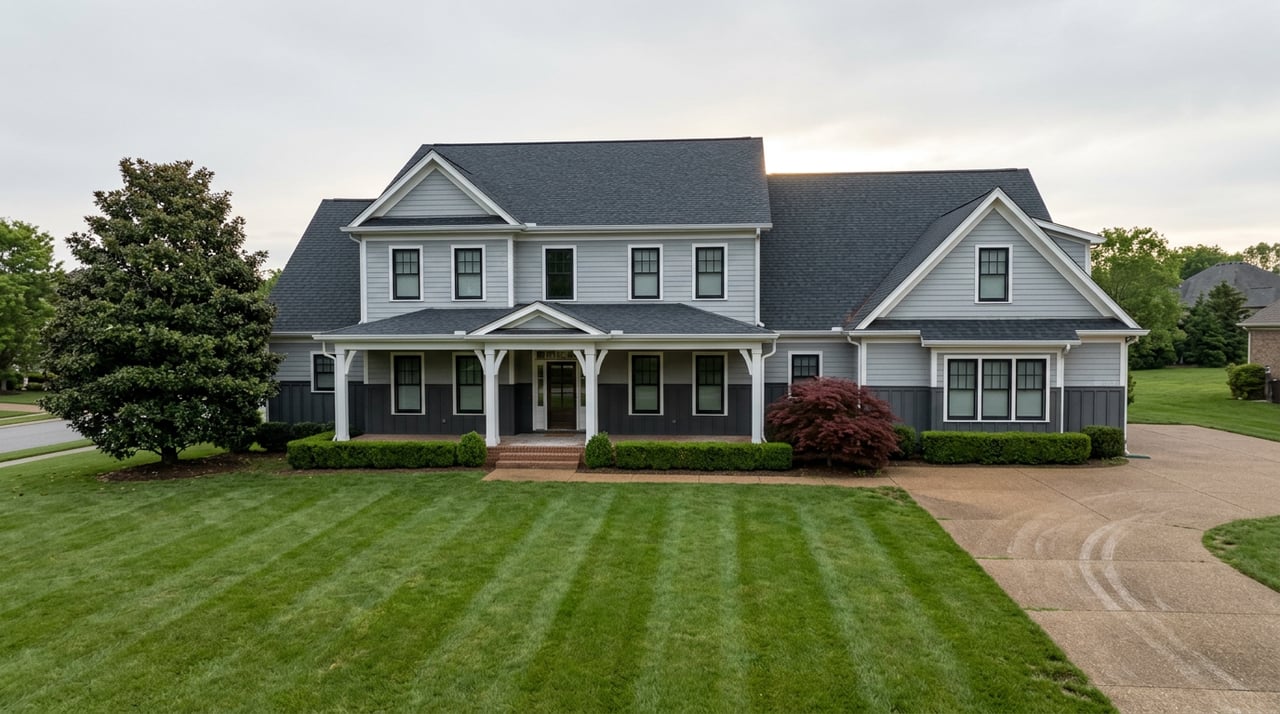
One of Soddy-Daisy’s clearest draws is the possibility of getting more room. That can mean a larger yard, a less dense setting, or even acreage depending on what is available when you search.
Current listing examples in the market have included a 10.43-acre lot and a 0.87-acre farm listing. Those are only examples, not a guarantee of what every buyer will find, but they show that land is part of the local housing mix.
If you are comparing Soddy-Daisy with closer-in parts of Chattanooga, that difference can matter. Buyers who care about outdoor space, storage, privacy, or future flexibility often find this part of the market worth exploring.
Daily life tradeoffs
No place is perfect for every household. Soddy-Daisy tends to work best when your priorities line up with what the area offers most naturally.
The biggest tradeoff is convenience versus space. You may gain more house, more lot potential, and a more residential environment, but you are also taking on more car dependence and more exposure to US 27 traffic patterns.
That can make a real difference in how your week feels. If you work hybrid, have flexible hours, or do not need the shortest possible drive every morning, Soddy-Daisy may feel like a smart compromise.
If you need a highly predictable trip into Chattanooga five days a week, or if transit matters to you, the fit may be weaker.
Who Soddy-Daisy fits best
Soddy-Daisy can be a strong option if you work in Chattanooga and want to balance your commute with more home for the money. It may be especially worth a look if you value:
- A more residential setting
- Lower density than Chattanooga proper
- Sale prices that often trend below Chattanooga and Hixson
- Potential for more yard space or even acreage
- A commute that is reasonable, even if not always the shortest or most predictable
This area can make a lot of sense for buyers who see the home itself as a major part of the lifestyle decision, not just the drive to work.
When another area may fit better
Soddy-Daisy may be less ideal if your top priority is speed and consistency on your way into Chattanooga. It can also be a tougher match if you want transit access built into your routine.
You may want to think carefully about your options if you need:
- The shortest possible commute
- More predictable rush-hour timing
- Less dependence on a single main corridor
- Robust local fixed-route transit
In that case, closer-in neighborhoods or communities may align better with your day-to-day needs.
Bottom line
So, is Soddy-Daisy a good fit if you work in Chattanooga? For many buyers, yes, with the right expectations.
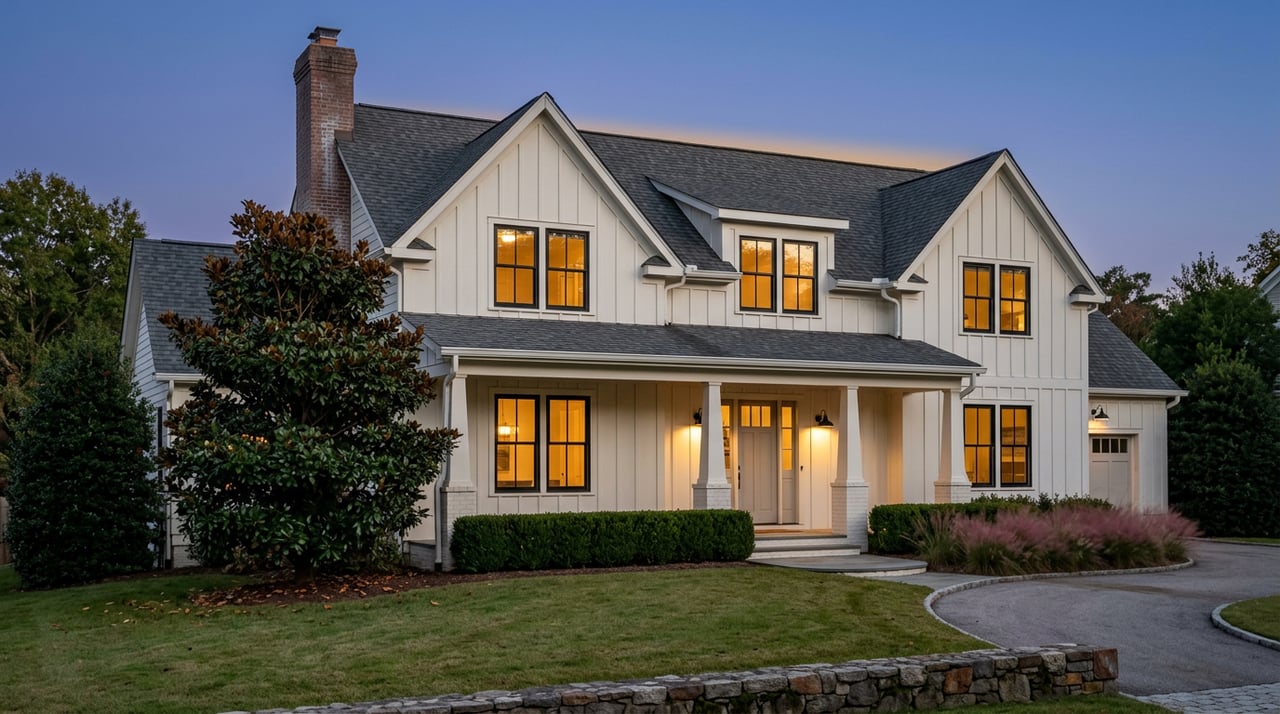
If you want more space, a more residential feel, and pricing that often compares favorably with Chattanooga and Hixson, Soddy-Daisy can be a very practical choice. If your schedule is flexible and you are comfortable with a commute that averages in the mid-20-minute range, the tradeoff may feel well worth it.
If you are weighing Soddy-Daisy against other Chattanooga-area options, a neighborhood-by-neighborhood comparison can make the decision much clearer. The team at The Tiano Group can help you compare commute patterns, price points, and home styles so you can find the right fit for your routine.
FAQs
Is Soddy-Daisy close enough for a daily commute to Chattanooga?
- Yes. A noncongested drive estimate is about 18 minutes, but the Census Bureau reports a 26.5-minute mean travel time to work for Soddy-Daisy workers, so actual daily timing is usually more than the map estimate.
Is Soddy-Daisy more affordable than Chattanooga?
- Recent market snapshots suggest it often is. Redfin reported a lower median sale price in Soddy-Daisy than in Chattanooga and Hixson, though exact figures can vary by source and time period.
Does Soddy-Daisy offer more land or yard space?
- It can. Current listing examples have included acreage-heavy properties, which shows that larger lots and land are part of the local housing mix.
Is public transit available in Soddy-Daisy?
- TDOT’s Chattanooga-area plan says fixed-route transit within Soddy-Daisy was considered improbable in the near term, so most residents should expect to rely on a car.
Is Soddy-Daisy a good choice for hybrid workers?
- It often can be. The area may be a better fit for buyers with flexible or hybrid schedules because the commute is manageable but can be affected by US 27 traffic and corridor incidents.